Explore Our Modalities
What to Expect from Your Custom Massage
Swedish Massage
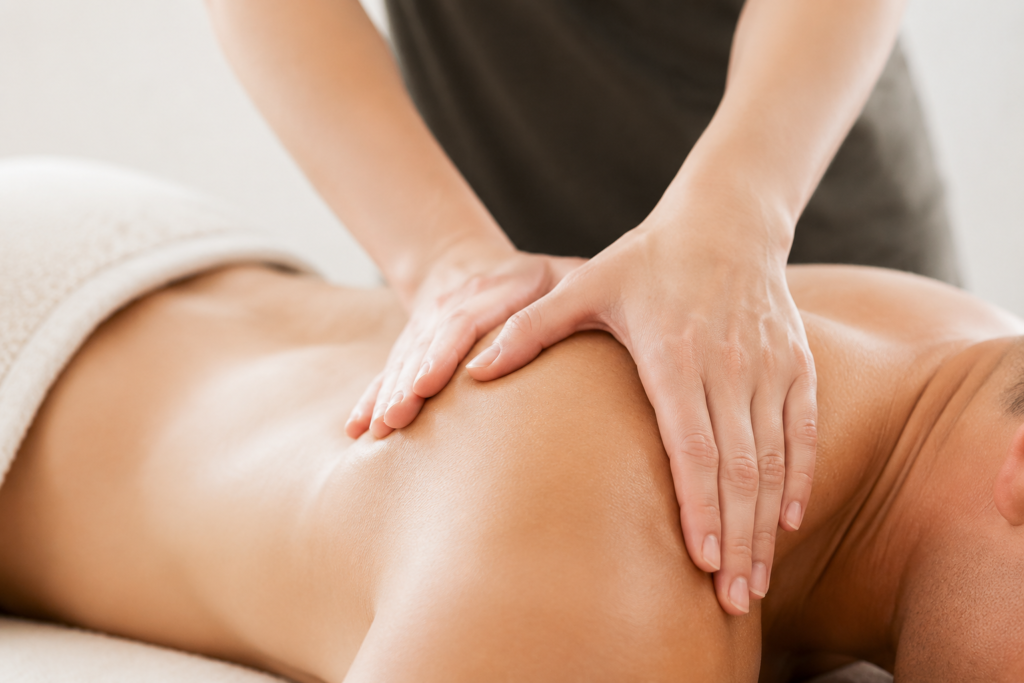
Sometimes referred to as traditional Swedish, this is the most familiar modality to most of us in the West. It’s the first structured modality designed to treat soft-tissue dysfunction, focusing on circulation, range of motion, and muscle fiber condition. An understanding of our anatomy and physiology is vital to effective Swedish technique. The main difference between Swedish and Eastern modalities lies in their focus: soft-tissue dysfunction versus Qi (vital energy or life force). Swedish massage employs five types of strokes. The gliding strokes of effleurage and kneading, known as petrissage, manually promote circulation. Friction and vibration are also used to address issues like adhesion and scarring that can limit mobility. Practitioners may also include tapotement, a form of tapping or percussion. Swedish is the foundation of our practice, with techniques from other modalities used to enhance your personalized treatment.
Deep Tissue Massage
Deep Tissue massage is the backbone of all therapeutic massage. It is necessary to address many common issues, from buried pain to loss of mobility or range of motion. We first treat the surface muscle (s) with calm intention, and their release leads to the deeper muscles with similar functions. Often, these are the muscles causing the problems, as deeper muscles do more of the heavy lifting. While deep work can sometimes require heavier pressure, the two are not the same. The approach is one of patience and purpose, intended to alleviate pain rather than transform it into soreness. Like any technique, Deep Tissue work serves a purpose, like a tool. There are many ways to reach deep tissues without causing pain. Bruising and pain are not indicators of effective deep tissue work.
Trigger Point Therapy
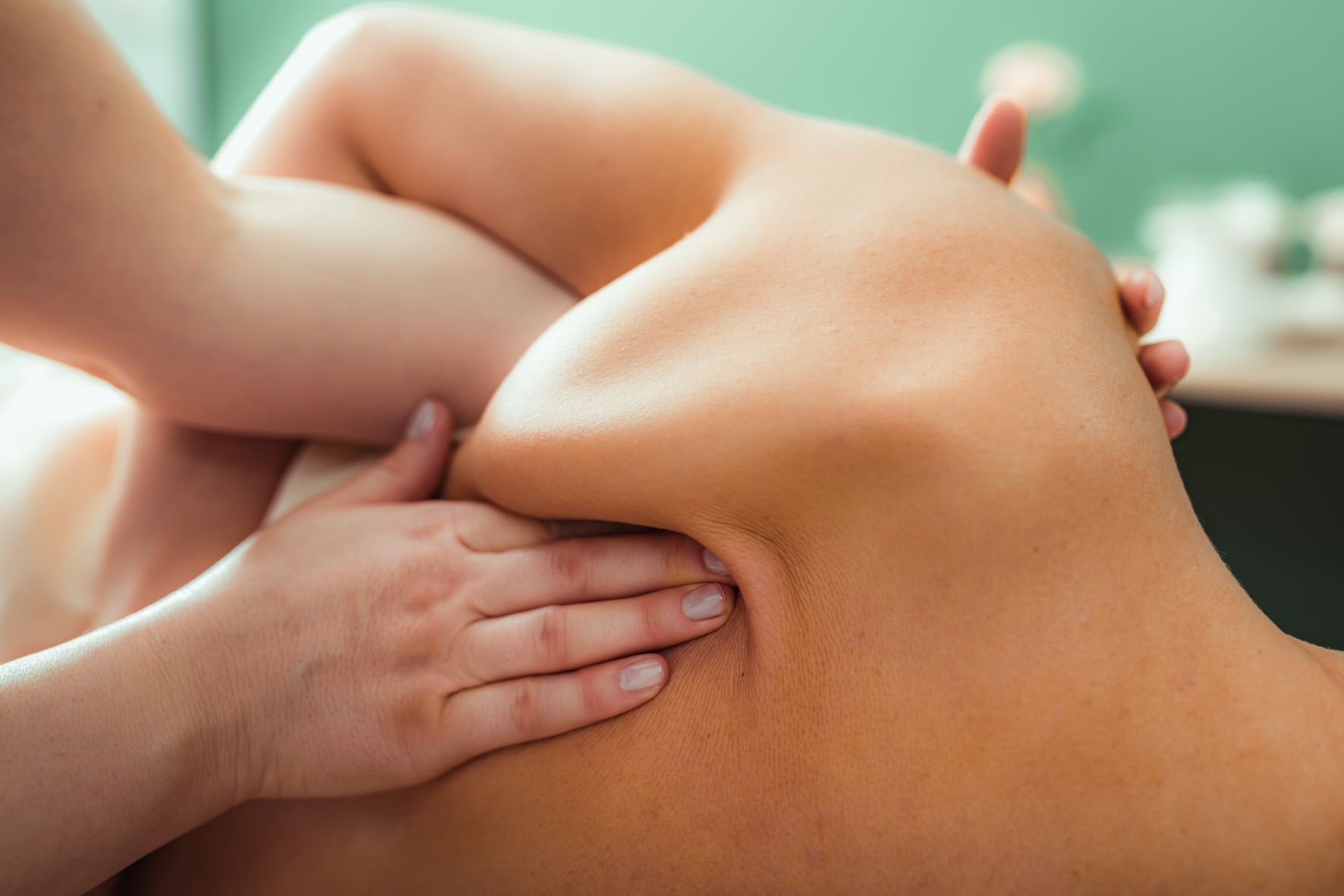
Frequently, the deep, throbbing pains we feel in our body are caused by hyper-irritated neuromuscular tissue known as Trigger Points. This is different from pressure points or acupressure points used in Eastern bodywork to balance Qi. Trigger Point Therapy targets these hyper-irritated areas by isolating the points, often buried in knots, that send signals to other areas of the body. These sensations are called “referrals,” and they come and go, change, and travel. Often, referrals can feel like icy, electric sensations or burning, throbbing pain (often in the shoulders and neck). They can cause headaches, TMJ issues, and lost mobility.
Mindful Restoration Massages places Trigger Point Therapy at the tippy top of effective neuromuscular therapies. Often, when you experience chronic discomfort, a trigger point is somewhere in the middle of it. And if not treated correctly, that referral area can develop its own trigger point, creating new referrals elsewhere. It can take several appointments to treat recurring trigger points. This is how we condition our muscles to release on their own. When we talk about that “good pain” in massage, we’re almost always talking about working out these trigger points. It’s important your practitioner understands how to effectively treat these little monsters. We do.
Myofascial Release Therapy
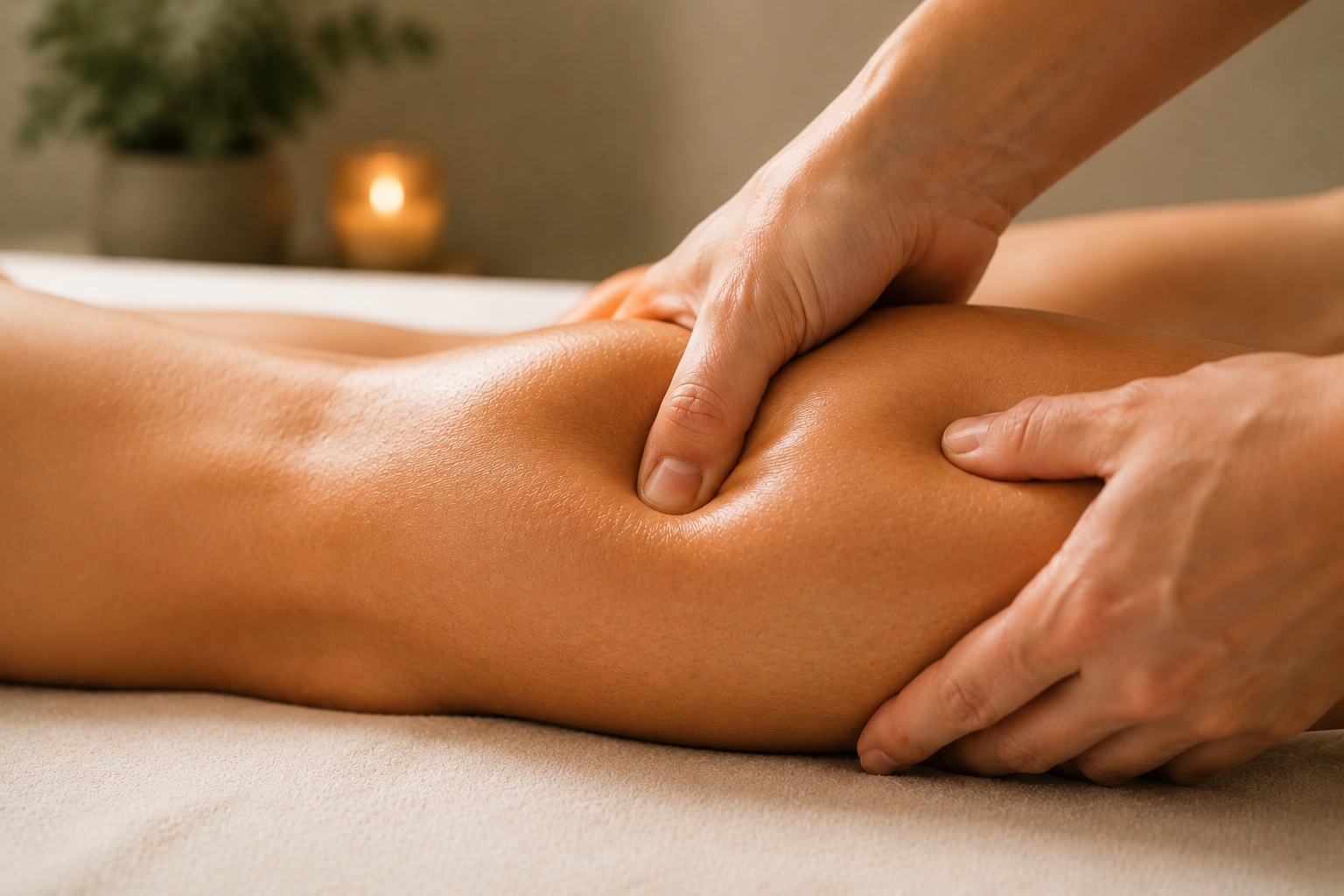
The human body is of an elegant design. The skeletal system and musculature act as a lever-and-pulley system. And holding together the shape of that design is a continuous web or sheath of connective tissue known as fascia. It’s like the casing of a sausage. It encapsulates every muscle, including every individual muscle fiber, maintaining form and function and ensuring every muscle is protected and nourished. Our fascia allows each muscle to stretch, contract, and glide without obstruction. When blood cannot flow freely between the muscle and the fascia, adhesions develop. The tissues stick together as though they were glued, limiting movement and causing discomfort and pain.
Much like trigger point referrals, these adhesions can worsen, leading to more adhesions. A wicked cycle. Myofascial Release consists of firm manual techniques that break up these adhered tissues. This allows blood flow to be restored. Once the tissues can move freely, the pain subsides. Myofascial Release is therapeutic and satisfying, greatly improving muscle health and mobility.